.png)
165k homeowners to pay mansion tax with 20% expected to appeal

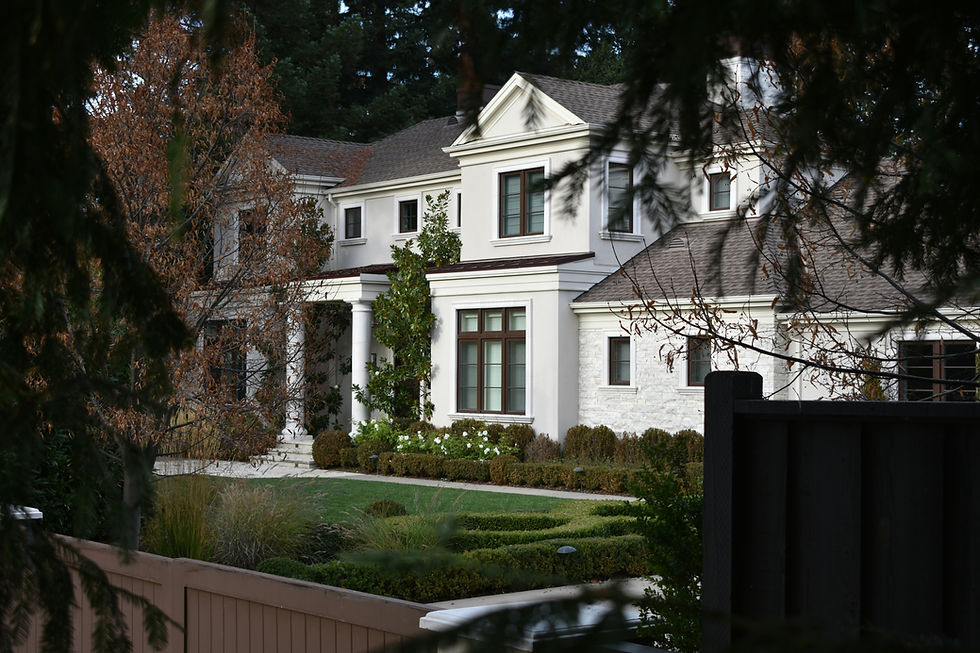
Four in 10 appeals against mansion tax likely to succeed says Budget watchdog, as FoI request shows rollout by Treasury will cost £400m.
Announced at the 2025 Budget by chancellor Rachel Reeves, where it was called the high value council tax surcharge (HVCTS), the mansion tax was released with much fanfare from the government.
At Budget it was revealed that properties worth between £2m and £2.5m would face a £2,500 annual charge, and £7,500 for properties worth over £5m, however there was some debate as to how many homes would be included.
A recent report from the Office for Budget Responsibility (OBR) has found that the surcharge will hit 165,000 homeowners when it comes into effect in two years’ time, although 20% of taxpayers are expected to appeal the process, with 40% of those predicted to win.
The OBR report stated that 71,000 homes in the first price band (£2m-£2.5m) would be taxed, 54,000 in the second band (£2.5m-£3.5m), 25,000 homes in the third band (£3.5m-£5m), and 15,000 homes in the top band (over £5m).
With a total of 165,000 homes expected to pay the tax, the OBR said: ‘The appeal rate may vary across bands due to differing band widths, so 20% is considered a central estimate’, meaning at least 3,300 homeowners would appeal.
Continuing the report stated: ‘The success rate of these appeals is provisionally assumed to be 40% due to narrow bands and higher-value properties than for council tax’.
The OBR also said that successful appeals would reduce the tax take by a further 4%.
As speculated at Budget, the OBR report stated: ‘There may be a reduction in the delivery of high-value new builds as housebuilders adjust their output to reflect the impact of the tax on their expected returns’.
‘This would result in fewer properties liable for the charge and a compensating increase in lower-value homes’, the OBR said.
Post-behavioural costing included in the OBR report states that the tax will bring in £400m in its first year, £420m in 2029-30, rising to £435m at the end of Parliament.
The OBR stated: ‘The change in the number of transactions as a result of this policy will impact both stamp duty and capital gains tax for non-primary residences.
‘This is due to increased churn pre-implementation driven by sales from households who are unable to afford the tax, and post-implementation driven by households downsizing to reduce their liabilities’.
This comes as The Times made a freedom of information (FoI) request to the Treasury, which revealed the government expects to lose £215m in stamp duty in 2028, followed by a further £65m in inheritance tax by 2030-31, with a further loss of £120m for the cost of identifying and valuing homes. Taking the cost to a reported £400m.


Comments